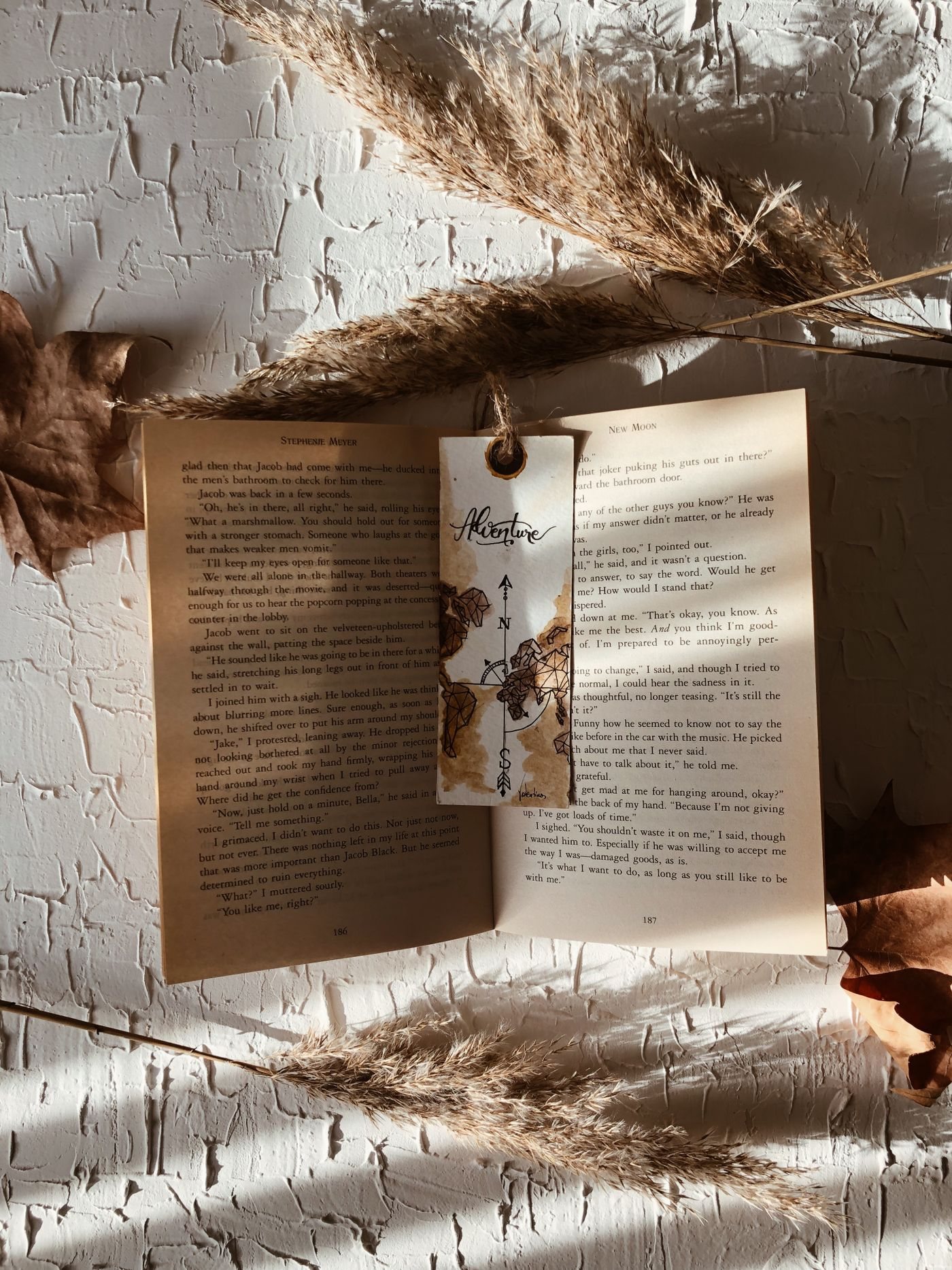
A book and bookmark can make a modest gift feel finished without turning it into a bundle. The book provides the main pleasure; the bookmark should help the reader enjoy it. Start by checking what they like to read and what they already own. An inexpensive, carefully chosen edition can feel more personal than an impressive hardback selected because it looks giftable. The pairing works when both pieces suit the person and neither is chosen simply to fill a price bracket.
Choose a manageable reading invitation
Think about genre, format and reading time. Someone who reads on a commute may appreciate a portable paperback; someone enjoying short sessions might prefer essays or stories. A large, demanding volume can feel like an assignment if it bears little relation to their current interests.
If you know a writer they enjoy, check whether they have read the title before buying. You can ask for a recent recommendation and listen for gaps in their collection. A second-hand copy is perfectly reasonable when its condition suits the occasion: inspect the binding, missing pages, odours and previous inscriptions rather than judging only the cover photograph.
Make the bookmark gentle on the book
A thin paper or fabric marker is easy to use in most books. Bulky metal ornaments or thick clips may not suit delicate pages or tightly bound paperbacks. Check edges and protruding decorations, particularly if the book will travel in a bag.
A bookmark need not copy the cover. A colour the reader likes, a small drawing or a place connected to the story can create a quieter link. If you make one, let ink or glue dry completely and check that no colour transfers before placing it between pages. Keep ribbon short enough that it will not continually catch on other things.
Explain the choice without prescribing the response
Write why the book made you think of the recipient, but avoid announcing that it will change their life or demanding a review. A simple connection to a shared conversation gives them a way into it. They may read it immediately, save it for a holiday or exchange it, and all can be reasonable outcomes.
Place a dedication on a separate card unless you know they enjoy inscriptions in books. That keeps a possible exchange straightforward and lets them keep the note elsewhere. If you are posting, protect the spine and corners with suitable packaging and include the total delivery cost in your budget.
You can extend the gift with an optional invitation to talk about the book later. Make clear that there is no deadline. A reading gift is most welcoming when it offers company without turning private enjoyment into another obligation.