Someone who prefers useful things can be difficult to surprise because they often know exactly which tools and accessories they like. The answer is not to abandon practicality, but to observe it more closely. Look for a repeated annoyance, a worn favourite or a small convenience they have already mentioned. A well-chosen replacement or contribution can feel more personal than an object carrying a Father's Day slogan but serving no clear purpose.
Start with a routine you recognise
Think about how he makes coffee, packs for a day out, tends a garden or keeps a desk. A specific detail gives you a better brief than a general hobby label. If a favourite item is worn, ask whether he wants the same version again or prefers to change it. Familiar wear can be part of why someone likes an object, so replacement is not always welcome. Avoid clearing out or upgrading his belongings as a surprise. The gift should support his choices, not imply that his existing equipment or habits need correcting.
Check compatibility before buying
Practical accessories often depend on exact sizes, models or fittings. A replacement blade, battery, bag insert or tool attachment should be chosen from confirmed specifications, not a photograph that looks similar. If you cannot obtain those details discreetly, let him choose and make the offer itself thoughtful. A shared visit to a relevant shop can be enjoyable if he likes that process. Do not choose safety equipment or specialist tools solely because reviews describe them as best. Fit, suitability and the recipient's experience matter, and an unwanted technical purchase can be harder to use than a modest everyday item.
Add personal meaning without reducing function
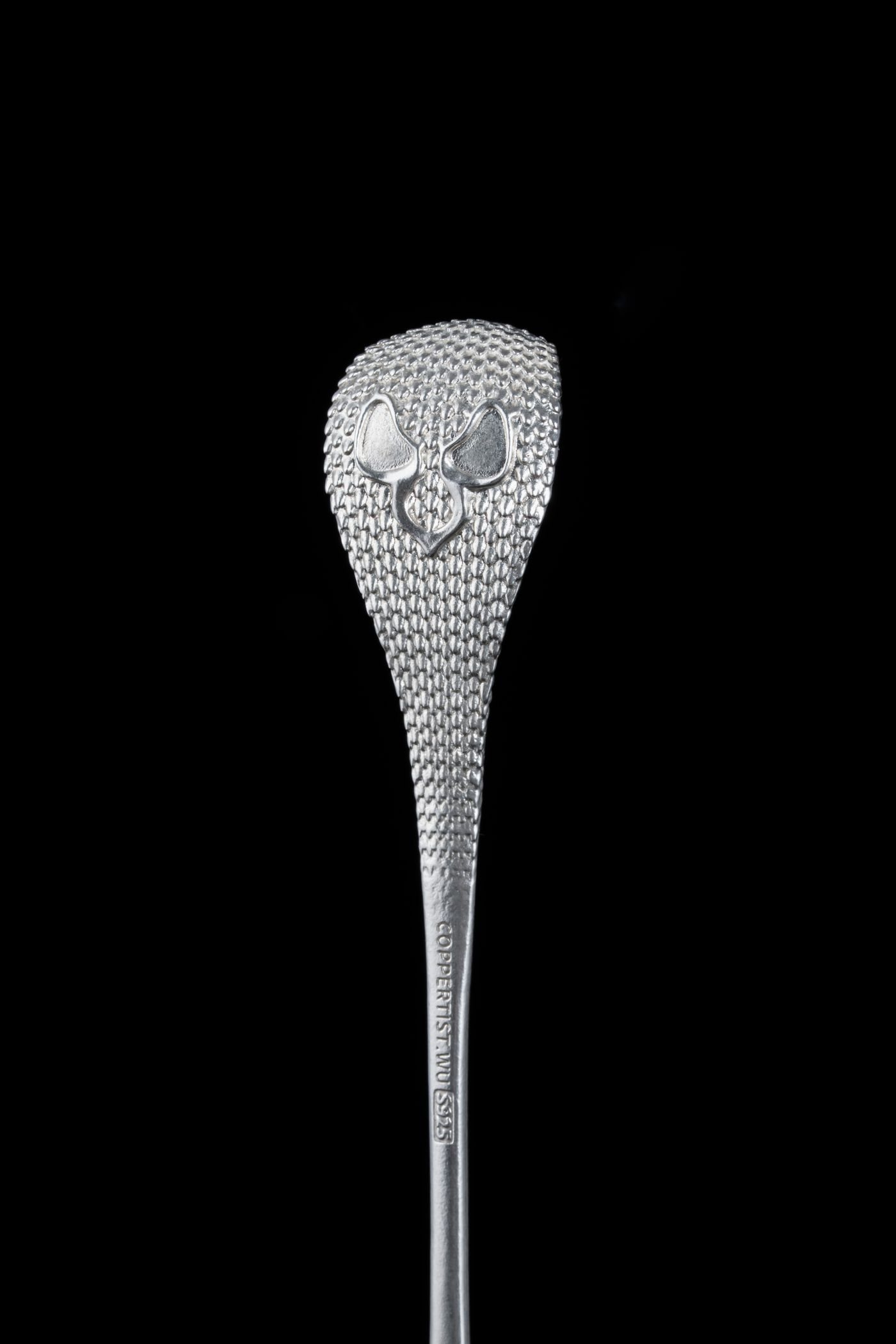
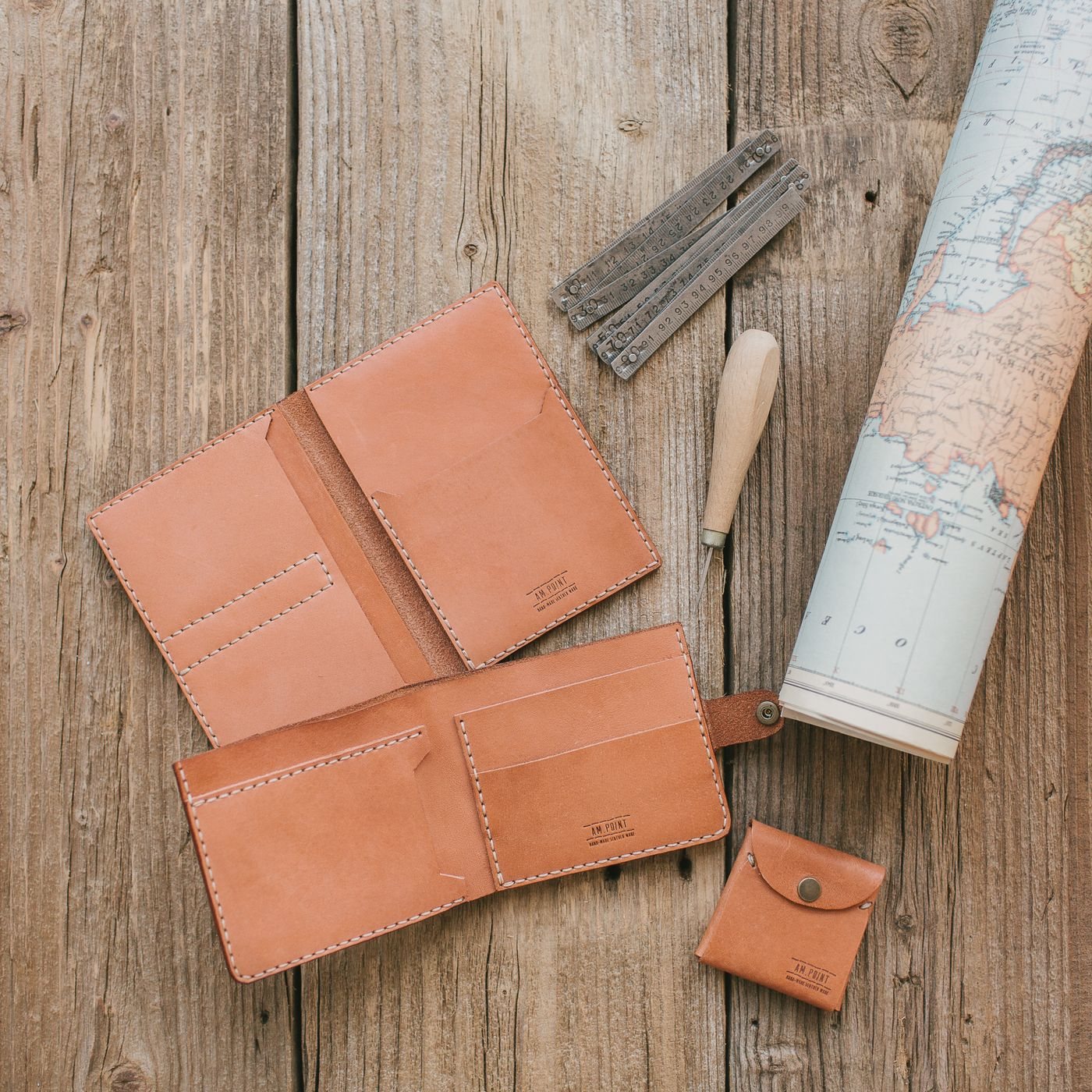
An initial, a small engraving or a separate note can make a useful object feel individual. Keep personalisation away from working surfaces, measurement markings and areas subject to heavy wear unless the maker confirms suitability. A long inscription may be better placed on the card. You can explain the observation behind the choice, such as noticing that a small organiser would make a regular journey easier. That message demonstrates attention without requiring the object to announce fatherhood every time it is used. Practical gifts can be affectionate without becoming novelty products.
Keep the gesture easy to accept
Choose within your budget and include exchange information where possible. If the exact item costs more than you want to spend, a clear contribution towards it is better than buying an inferior substitute just to hand over a box. Do not make a gift dependent on the recipient completing a project for you. Likewise, avoid presenting an ordinary household obligation as his special treat unless he has specifically asked for help with it. Give the object or offer with a straightforward note, then let him decide when and how it joins his routine.