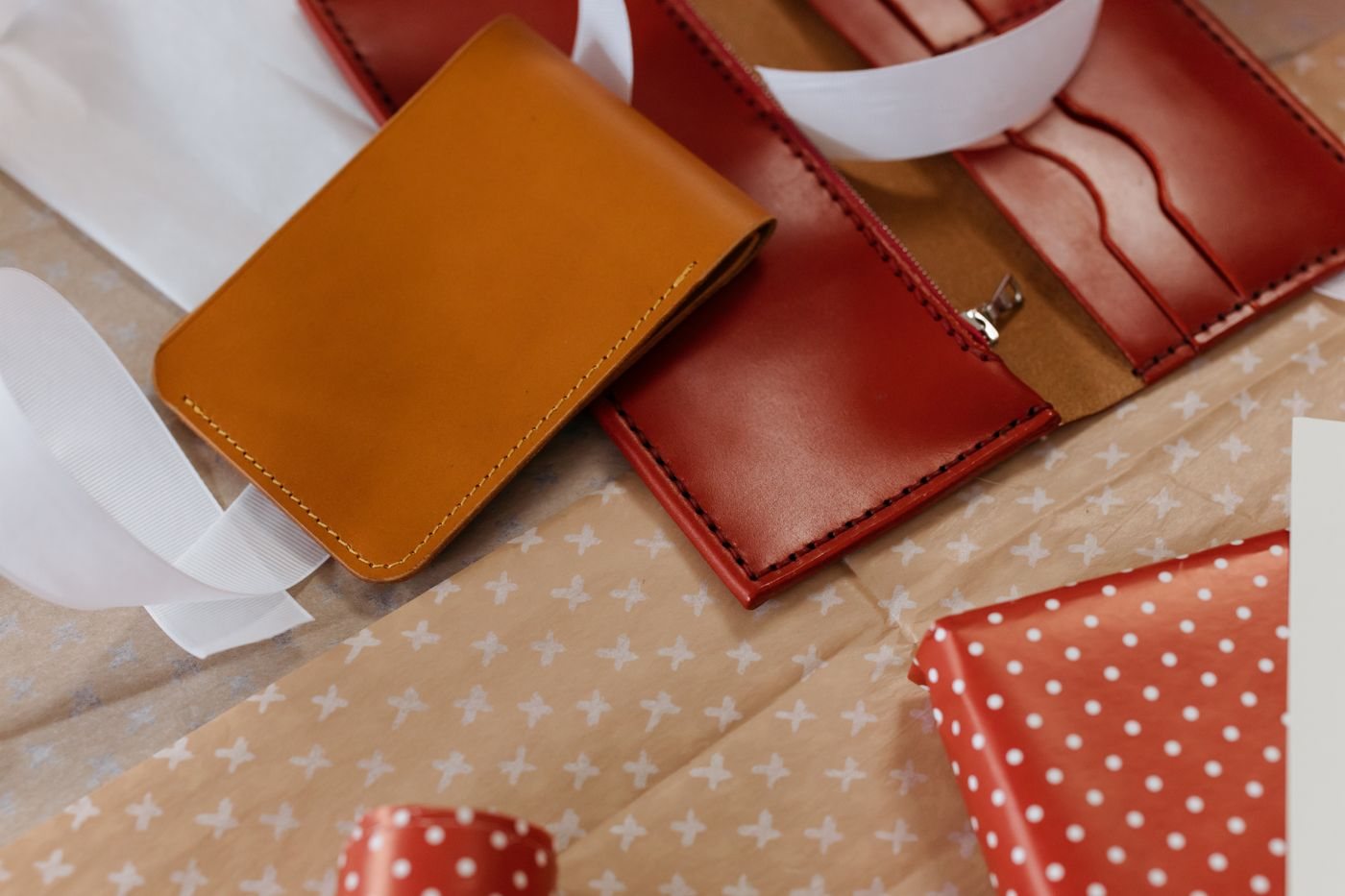
A teenager's style can change between the first hint about a birthday and the birthday itself. That does not make thoughtful giving impossible; it makes flexibility part of the gift. Instead of fixing their identity in an engraved slogan, work with the interests and practical needs they are expressing now. A modest choice made together can feel more respectful than an expensive surprise based on a photograph from two years ago or a parent's idea of their taste.
Ask for a direction, not a complete shopping list
Try a choice between broad possibilities: something for drawing, something to wear or money towards a plan. This leaves room for a surprise within a category while making it less likely that you buy the wrong kind of thing. Ask the teenager directly when appropriate, rather than collecting opinions from everyone except the person receiving it.
For clothing or accessories, distinguish colour, fit and branding. Knowing that someone likes black does not tell you whether they want a large logo, a plain design or a particular silhouette. If exact sizing matters, a shared shopping trip may be the stronger option. Agree the spending limit privately before you go.
Choose personalisation that can grow with them
An initial on a detachable tag is easier to live with than a large dated nickname on an everyday bag. A notebook with an unmarked cover may actually offer more space for self-expression than a heavily customised one. Do not assume personalisation always makes the object more personal to its owner.
If you are considering a photograph, ask before using an image that could be embarrassing or private. A family favourite is not automatically a teenager's favourite. Keep intimate messages inside the card rather than printed on something they will carry at school or share online. The right to keep a gift private is part of making it comfortable to receive.
Make flexibility tangible
For a voucher, check the retailer, spending restrictions and expiry before buying, then provide the original redemption information discreetly. A voucher for a shop with nothing within the budget can turn into a request for extra money. Where possible, choose an amount that covers a complete, realistic purchase they would enjoy.
Cash can be presented warmly without a puzzle, joke challenge or public performance. A short note explaining that you wanted them to choose something for their current interest is enough. Keep any receipt and explain the exchange option without making the recipient apologise. If their taste has moved on, responding lightly preserves the relationship and makes future suggestions more honest.