Someone learning to sew can quickly acquire a drawer full of accessories without having the few things that make a first project easier. A useful gift starts with the kind of sewing they are learning: hand stitching, dressmaking, repairs or machine work. Ask what they are making and whether a class or pattern provides a materials list. That information will help you choose something they can use now rather than a specialist tool whose purpose is still a mystery.
Follow the current project
A beginner making a tote bag needs different materials from someone practising small repairs. If they have a pattern, use its requirements and ask about the fabric they want. Do not substitute a stretchy or slippery material because it looks more luxurious; it may behave differently from the fabric the project expects. A modest contribution towards supplies can be thoughtful when choices are still being made. If giving a kit, check what is included and what must be bought separately. The box should not leave the learner unable to begin because an essential tool or material is missing.
Check machine-specific accessories carefully
Needles, bobbins, feet and attachments are not all interchangeable. Confirm the exact machine model and follow its manual or the manufacturer's compatibility information. A product described as universal may still have limits. If you cannot verify the fit, choose a non-machine-specific item from the learner's requested list instead. Avoid buying advanced accessories simply because they offer many functions. Learning a new skill already involves enough decisions. A clear measuring tool, suitable marking method or useful storage pouch may support the present stage better than equipment intended for techniques they have not chosen to learn.
Keep tools comfortable and manageable
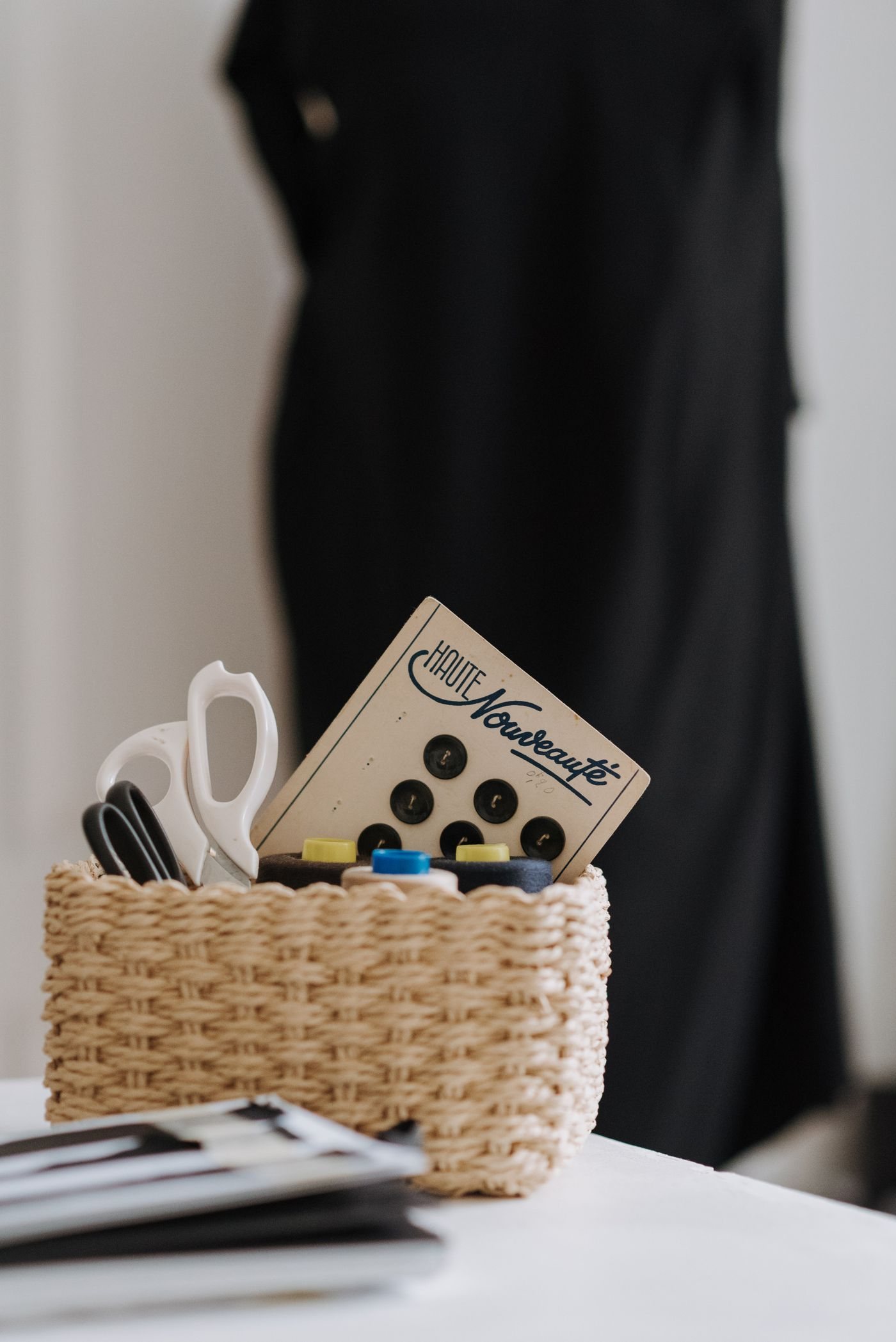
Scissors should suit the user's hand and intended task, including handedness where relevant. Pins, needles and cutting tools need sensible storage, particularly in a home shared with children or pets. Choose clearly labelled items so the learner can identify sizes and uses later. A large unlabelled assortment can be less helpful than a smaller set with understandable instructions. If you include thread or fabric, keep fibre and care information with it. The ability to trace what was used becomes useful when they want to repeat a successful project or understand why a particular material behaved differently.
Add encouragement without setting homework
A class or workshop can be a good gift if the person wants one and the level, location and schedule fit. Do not enrol them in a fixed session without checking availability. A personal note can recognise the pleasure of learning rather than promise they will soon be making clothes for everyone. Avoid attaching a request for repairs or custom work to the present. Let their first projects belong to them, including imperfect ones. Practical support and permission to experiment can be more encouraging than an expensive machine upgrade that raises the stakes before they have found their own rhythm.