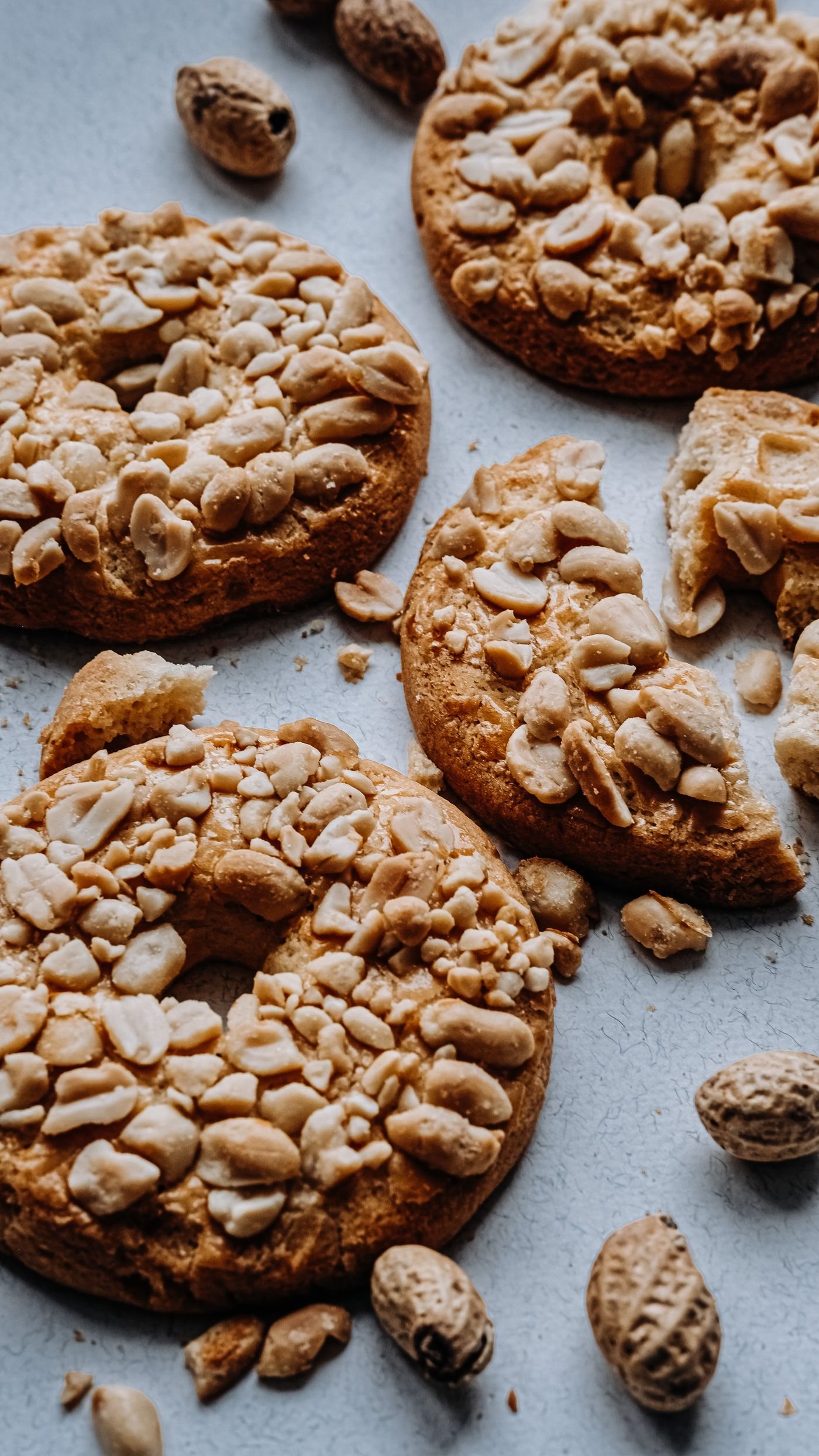
Homemade biscuits can be a warm, affordable gift when the recipient likes them and can comfortably eat the ingredients. The personal effort matters, but it does not remove the need to ask about dietary requirements or explain what is in the tin. Start with a recipe you can follow reliably and an amount the person can reasonably use. A smaller batch with clear information is more considerate than a large mystery assortment wrapped beautifully but difficult to assess.
Ask before choosing the recipe
Check preferences and any ingredients the recipient avoids. For someone with a food allergy, do not promise that a home kitchen is free from cross-contact unless you can genuinely establish the necessary conditions. If you are unsure, discuss an alternative, such as an unopened product the recipient already trusts.
Read the labels of every ingredient, including chocolate, decorations and flavourings. A familiar recipe can change when a different branded ingredient is used. The Food Standards Agency advises checking ingredients carefully when dealing with allergies; the finished card should reflect what actually went into this batch, not an old saved version of the recipe.
Make the card useful rather than decorative
List the ingredients clearly, including relevant components of purchased ingredients, and keep original packaging available if the recipient needs more detail. Add the baking date and sensible storage information based on the recipe or other reliable guidance. Do not invent a long shelf life to make advance preparation convenient.
Keep the wording legible. Tiny pale lettering on a pretty tag is difficult to use, particularly when several people may share the biscuits. If different varieties have different ingredients, label them separately and consider separate containers rather than mixing everything together.
Pack for the actual journey
Allow biscuits to cool fully before packing so condensation does not spoil their texture. Use a clean container suitable for food and arrange delicate shapes so they are supported. Decorative paper, inks and loose embellishments should not touch the food unless they are intended for that use.
For a hand-delivered gift, a small tin or food-safe box may be enough. Posting introduces movement and delays, so choose robust biscuits and check suitable packaging and delivery conditions. Avoid relying on a fragile decoration to survive a journey it was never designed for.
Include the recipe if the recipient would enjoy making them, but do not turn the present into an expectation of a returned batch. A short note about why you chose this flavour is enough. If food requirements make the project uncertain, choosing a different gift is thoughtful rather than a failure of hospitality.