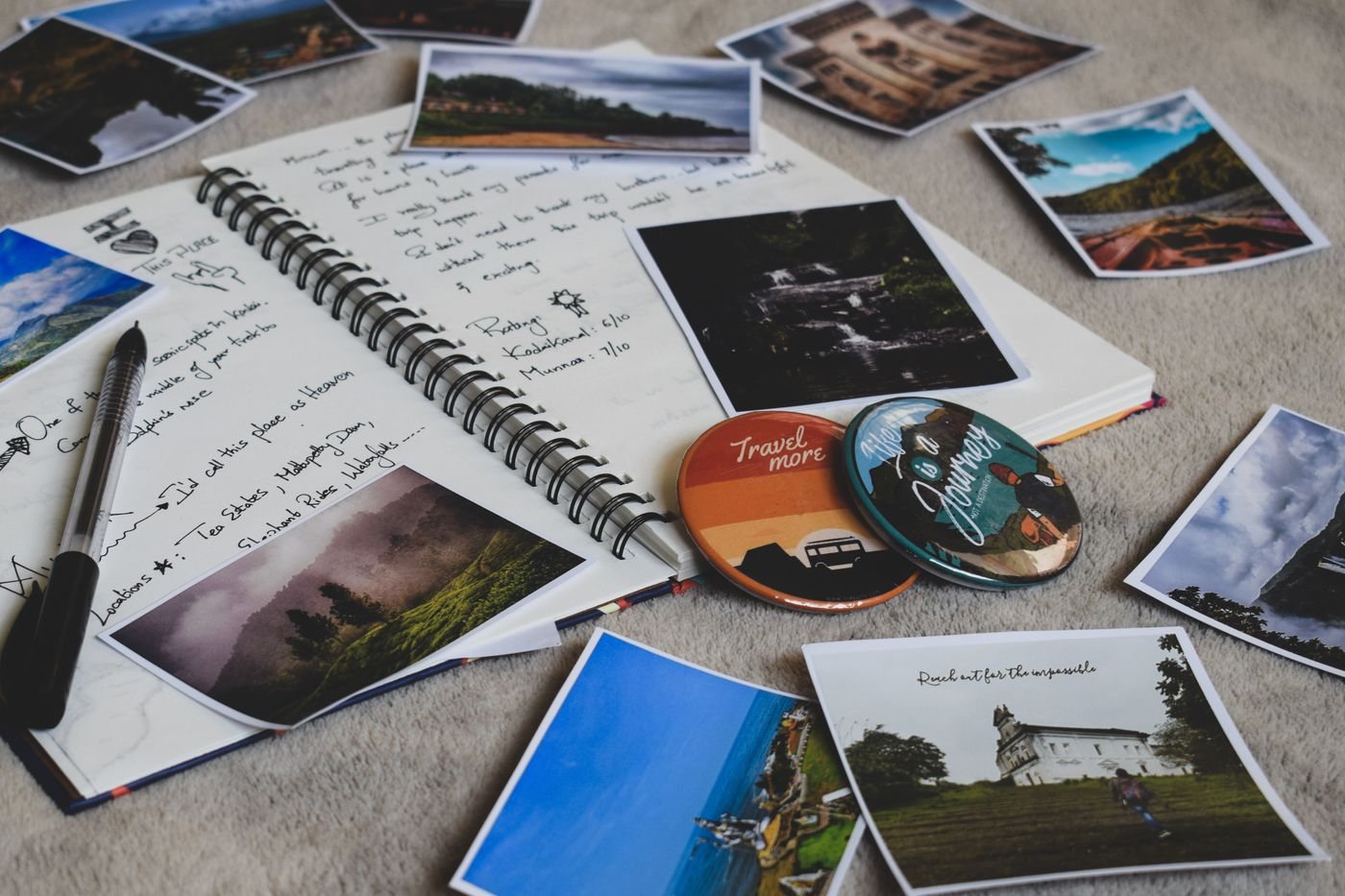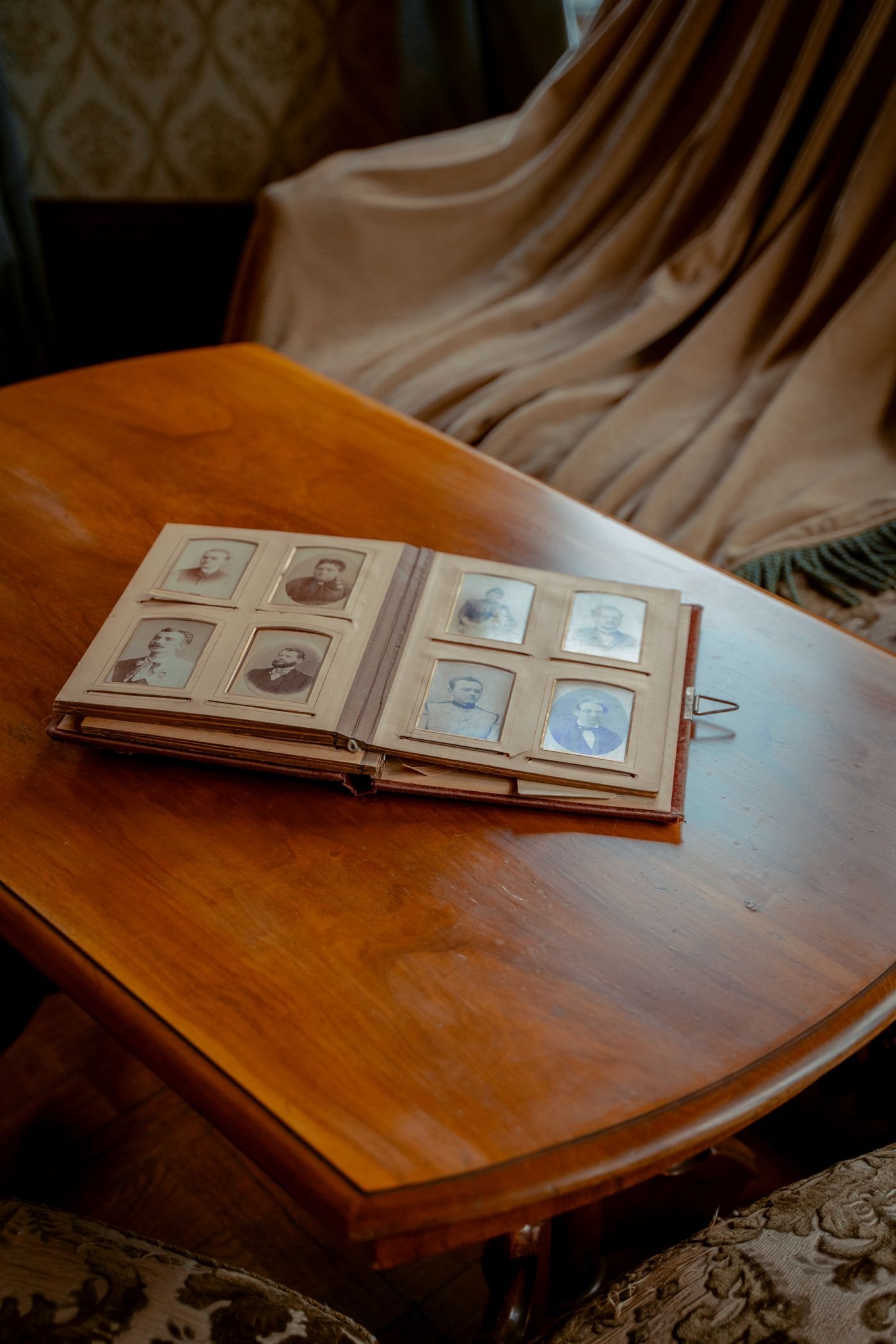
A milestone birthday can bring together stories from different parts of someone's life. Turning those contributions into a book is a generous project, but it needs editing as much as collecting. Without a clear brief, the result can become a stack of repeated congratulations and unexplained photographs. Choose a manageable theme and a consistent way to gather material, then make space for distinct voices rather than trying to record every year with equal weight.
Give contributors a focused invitation
Ask for one specific memory, one photograph or a short message about something they value in the person. Set a comfortable word limit and a clear deadline, while making participation optional. Explain who will see the book and whether it may be shared digitally. A useful prompt can ask about a small moment the recipient might have forgotten; it often produces richer material than asking for a tribute. Avoid requesting secrets or embarrassing stories merely to make the collection entertaining. The book should remain comfortable to read when the birthday gathering is over and a different visitor opens it.
Edit for clarity without flattening voices
Correct obvious typing errors and ask before making substantial changes to a contributor's wording. Add names and dates where they help a reader place the story. If several messages repeat the same incident, group them or select complementary details rather than printing identical accounts across many pages. Do not invent missing facts to smooth the narrative. Mark approximate dates honestly. Keep humour in context, especially workplace jokes or nicknames that may not travel well between family and friends. A varied collection of short, recognisable voices usually feels more alive than every message rewritten into the same polished style.
Build pages around reading comfort
Use clear text, generous spacing and photographs large enough to identify people. A chronological order can work, but themes such as journeys, friendships and ordinary rituals may be easier when dates are uncertain. Avoid forcing the entire age number into the structure, such as adding weak memories just to reach fifty. Check picture permissions and use original files where possible. Keep faces away from trimming edges and test the printer's final layout. The cover can be understated; a large age label is not essential if the recipient would rather the book remain a collection of stories than a birthday souvenir.
Finish the project with room to breathe
Leave time for contributors to approve sensitive passages and for you to check the whole book before printing. A proof copy is useful when the schedule and budget allow it. Include a short note about who helped, but do not turn the presentation into a roll call of who did not contribute. If material arrives late, a separate card can join the gift without delaying everything. Present the book privately if its stories are emotional. The recipient should be able to read at their own pace rather than being expected to react to every page in front of a room.