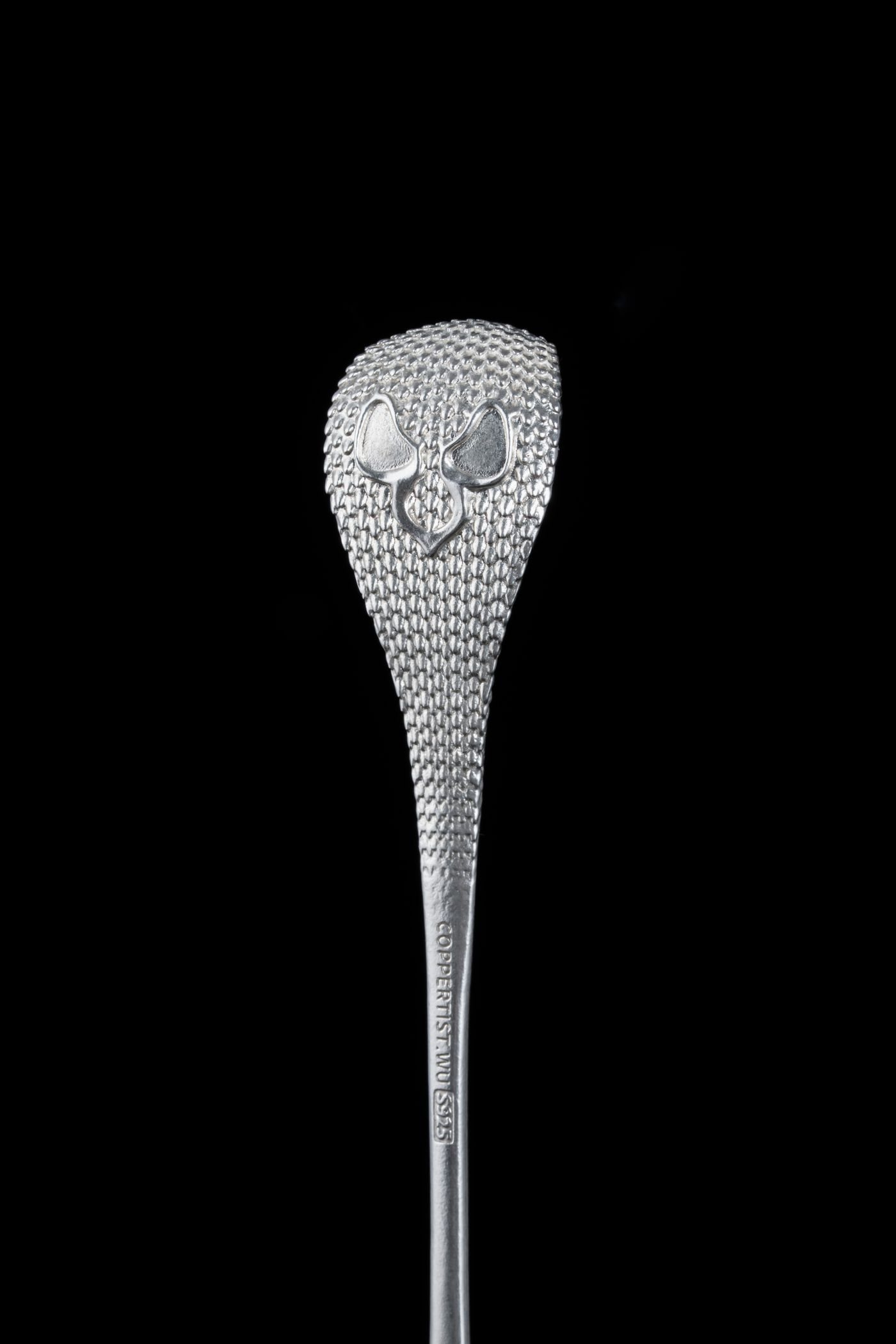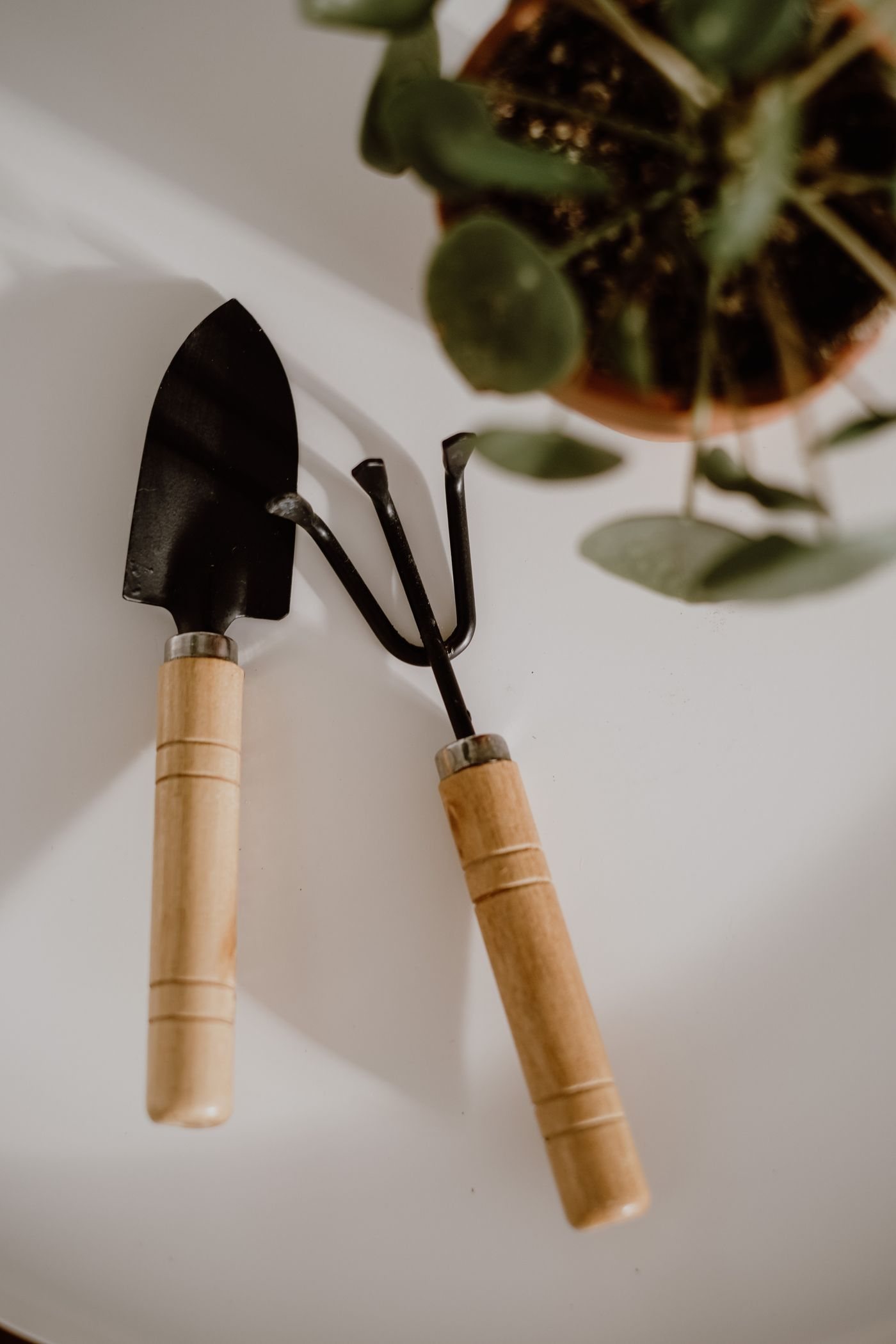
Retirement gifts often look backwards: years served, projects completed and a final date engraved on a plaque. Those details may matter, but the person receiving the gift also has a life ahead that need not follow anyone else's script. Before choosing, find out what they are looking forward to, if they want to share it. A good present can recognise their contribution while leaving the next chapter open rather than assigning them a new hobby or identity.
Listen for an actual plan
An interest mentioned repeatedly is more useful than a stereotype about retirees. Someone may be excited about gardening, travel, family time or simply having fewer commitments. Do not turn a passing comment into a large equipment purchase. If they want to try something new, a flexible introduction can be better than advanced kit. Check whether an experience requires travel, fixed dates or additional costs. A gift intended to create freedom should not arrive with an awkward timetable or the expectation that the recipient will now become an enthusiastic golfer, painter or traveller.
Separate the shared tribute from the object
A collection of short messages can preserve colleagues' appreciation while the main gift remains useful. Ask contributors for one specific memory or quality rather than repeated general compliments. Make participation and financial contributions voluntary and discreet. Keep the message collection readable, with names attached, and avoid jokes that could embarrass the recipient when read at home. If you engrave an item, consider a brief name and date rather than a lengthy account of their career. The longer tribute belongs in a card or book where it can be enjoyed without reducing it to tiny lettering.
Choose flexibility when preferences are uncertain
A contribution towards something the person has chosen can be more thoughtful than a surprise object selected by committee. Confirm voucher terms, usable locations and expiry before purchasing, and make sure the recipient does not need to spend substantially more to use it. If a physical gift is preferred, a modest item linked to an established interest is safer than specialist equipment. Keep gift receipts where possible. Avoid treating expensive personalisation as proof of care; an unwanted engraved object is harder to exchange, even when the intentions behind it are warm.
Make the presentation comfortable
Check whether the person wants a public gathering, a short farewell or a quiet handover. Retirement can bring mixed feelings, and a speech that assumes pure excitement may miss that complexity. Thank them concretely and leave room for their own account of what comes next. Arrange delivery for anything bulky rather than expecting them to carry it away with other leaving gifts. If the present includes a future outing, let them choose the date after work has ended. That gives the gift a place in their new routine without making it another final task to organise.