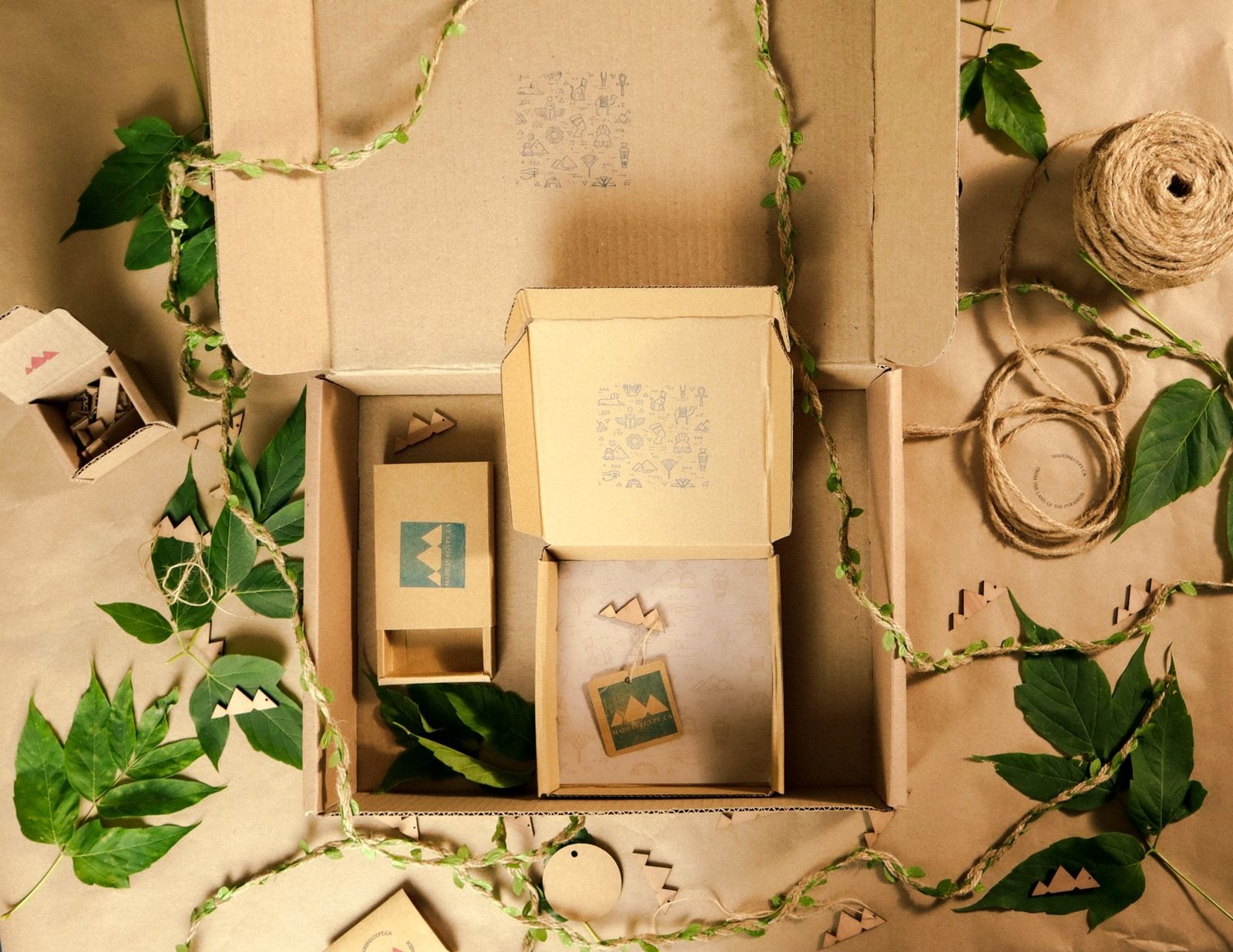
A letterbox-friendly gift is appealing because it may arrive without the recipient arranging a delivery. However, a postal size category cannot promise that a package will fit every door. Letter plates, internal cages and the contents of the parcel all affect the result. Choose a compact gift first, then test the finished package as an object with thickness, weight and corners, rather than relying on the empty box's description.
Build the gift around a genuinely flat shape
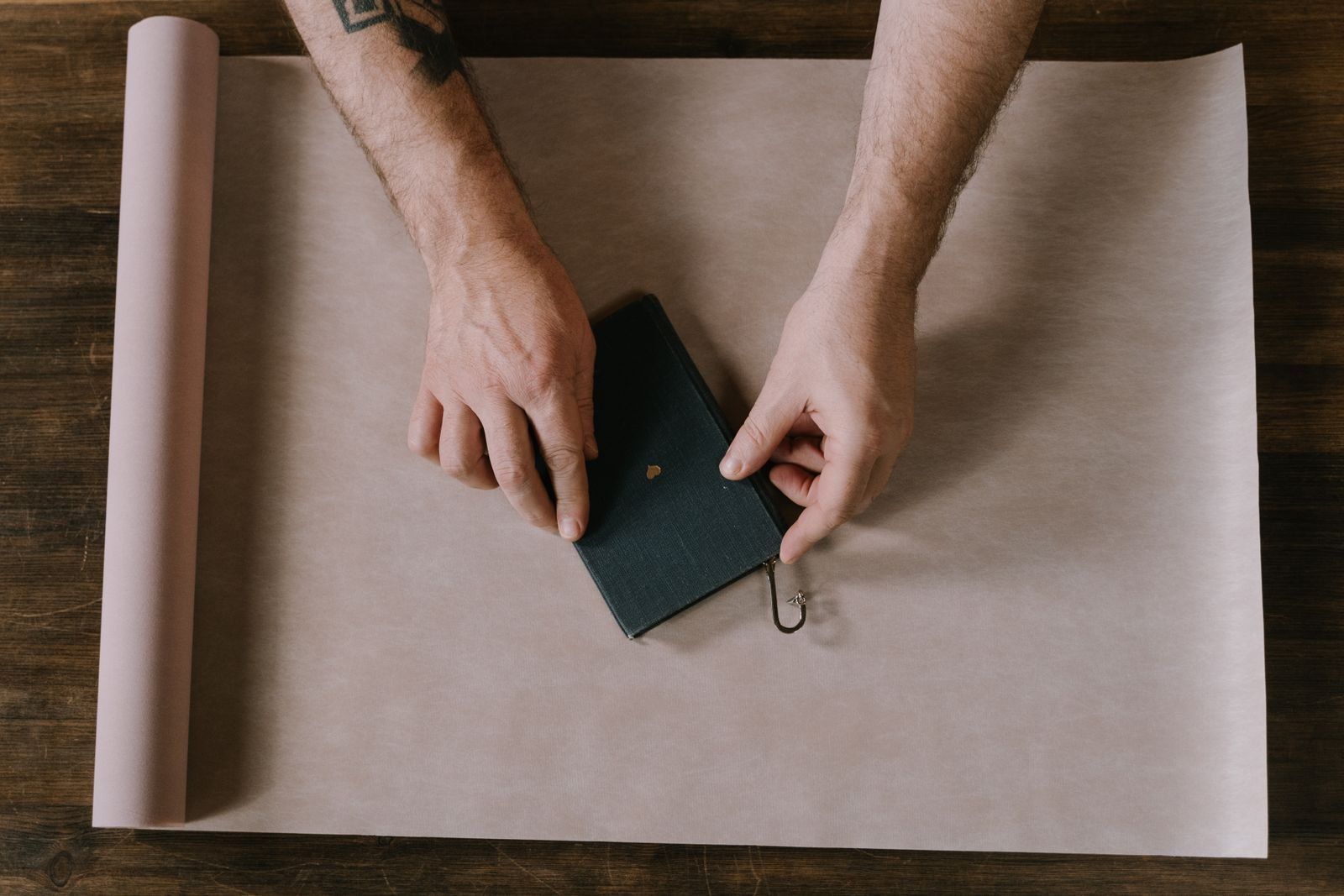
A paperback, a small notebook, a set of cards or a folded textile can be easier to arrange than a collection of unrelated miniature items. Lay the proposed contents on the table in one layer. If a single item creates a large bump, remove it or choose a different delivery format rather than squeezing the rest around it.
Consider what happens immediately after delivery. A fragile decoration may not suit a package that could drop onto a hard floor. A heavily scented product can affect paper or fabric packed beside it. Keep the selection small enough that each item has a clear place, with nothing pressing against an exposed corner or sharp fitting.
Measure after everything is inside
Close the box with the actual wrapping, card and protective material included. Measure the largest dimensions of the completed parcel, checking any bulge in the centre as well as the edges. Weigh it fully packed. Royal Mail's weighing and measuring guidance directs senders to the size and weight limits for the service they choose; check those current limits before purchasing postage.
A box sold for letterbox gifting still needs to meet the relevant postal conditions, and the recipient's opening may be smaller. If fitting through the door is essential, ask someone at the address to measure the usable opening. Where that is impractical, describe the gift as compact rather than promising unattended delivery.
Stop the contents moving
Make a simple paper sleeve around a book or card set so loose edges cannot catch when the box is opened. Wrap any small hard item individually and hold it in a shallow compartment or a snug fold of packing paper. Do not use the gift card as padding: it should arrive flat and readable.
Close the parcel and turn it gently in your hands. If you hear or feel movement, open it again and adjust the arrangement. Add only the material needed to stop the movement, then measure once more. Overfilling can distort the box and put pressure on the very item the extra padding was intended to protect.
Make the outside easy to handle
Use a clear address label on a flat face and keep decorative string, raised bows and loose tags inside the postal packaging. Follow the chosen carrier's instructions for sealing and labels. Add a return address in the appropriate position, and retain the sending details until you know the parcel has arrived.
Inside, put a short note on top so the recipient understands the selection before unwrapping each piece. A message such as 'A little company for your first quiet evening' can bring together a book and a bookmark without making the parcel bigger. The compact format works best when the contents feel edited, rather than compressed.