An engraved bracelet is a small object with a surprisingly permanent decision attached to it. The words need to feel right on an ordinary Tuesday as well as on the day it is given. Before opening a personalisation box, think about how the recipient wears jewellery, how public the message will be and whether the phrase belongs to both of you. Those questions usually produce a better inscription than a page of ready-made quotations.
Decide who the message is for
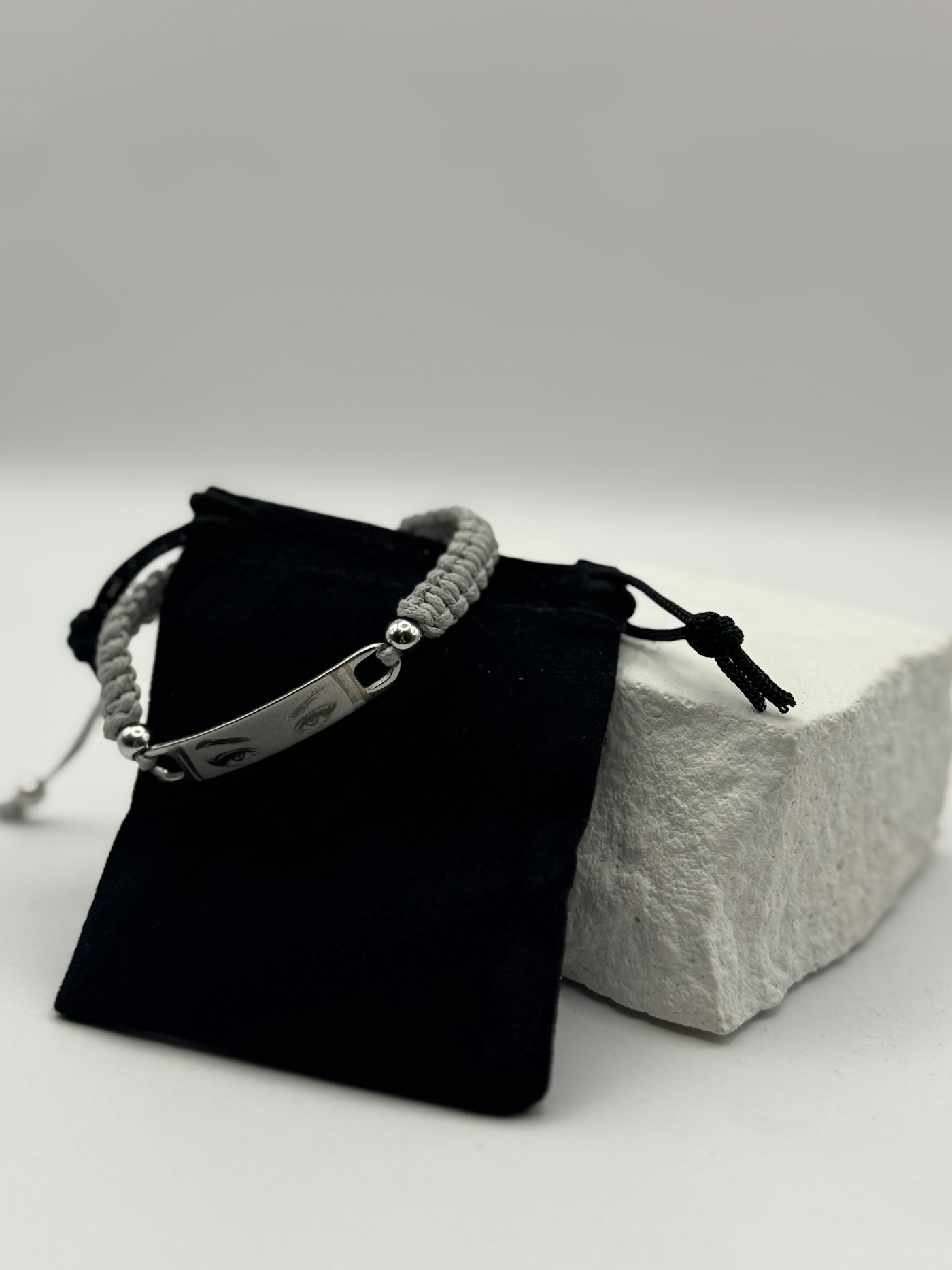
An inscription on the outside of a bar or cuff becomes part of the bracelet's appearance. Initials, a short place name or a date can work well here because they are easy to live with in different settings. A private joke may be better placed inside, where it can stay between you and the recipient.
Check whether the maker actually offers inside engraving before planning around it. A curved, narrow or textured surface may have different limits from the front. Ask to see an example of the same bracelet with a similar amount of text, rather than judging the available space from a photograph of a blank piece.
Find a phrase that already belongs to you
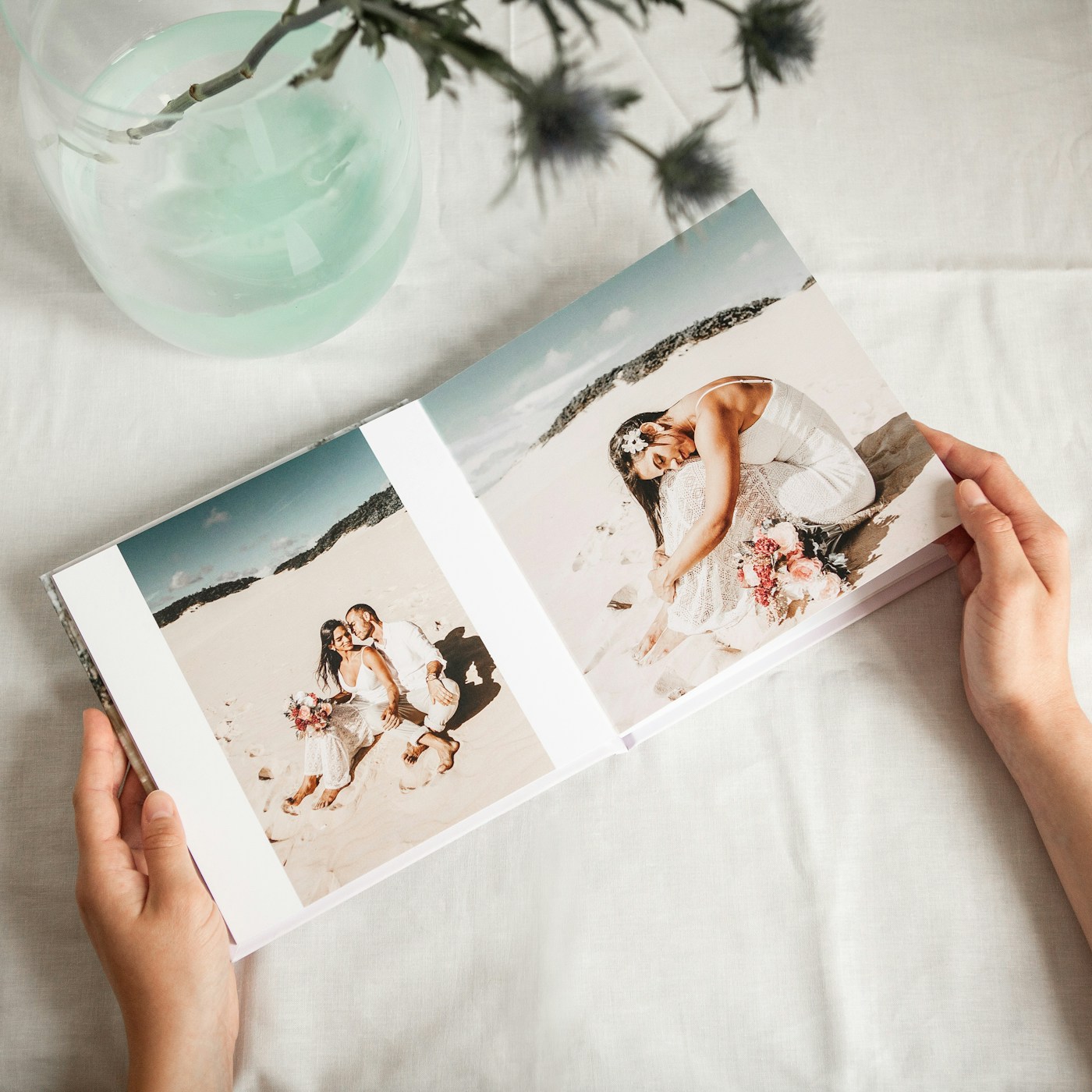
Start with something real: the way you sign a note, a place you return to or a few words the recipient often says. A phrase such as 'Back to the sea' might mean more to a particular couple than a grand declaration. The important part is the connection, not how impressive the wording looks to someone else.
Write three alternatives on paper. Include a very short option, perhaps two initials and a date, alongside a slightly longer phrase. Read each one without the story around it. If the words sound demanding, possessive or unlike the way you usually speak, try again. The bracelet should be enjoyable to wear, rather than an obligation to display a relationship.
Treat the character limit as a design constraint
Count spaces and punctuation as well as letters, then check how that particular maker counts characters. A maximum allowance does not mean every available character will look equally legible. A little breathing room can be more attractive than a sentence squeezed into a small panel.
Ask about letter size, type style and alignment. A decorative script that looks lovely on a screen may be harder to read at jewellery scale. If a proof is supplied, view it at approximately the actual size as well as enlarged. Confirm whether the preview represents the final positioning or is only an illustration.
Make the final check away from the checkout
Copy the proposed inscription into a separate note and verify names, spelling and dates there first. Spell out a month if a numerical date could be misunderstood and there is enough room. For coordinates, confirm both the location and the format with a reliable map; do not assume a remembered pair of numbers is correct.
Finally, check bracelet sizing, closure and care instructions alongside the engraving. Keep the approved wording and any proof with the order confirmation. A short handwritten card can explain the story that would not fit on the metal, allowing the bracelet itself to stay simple.