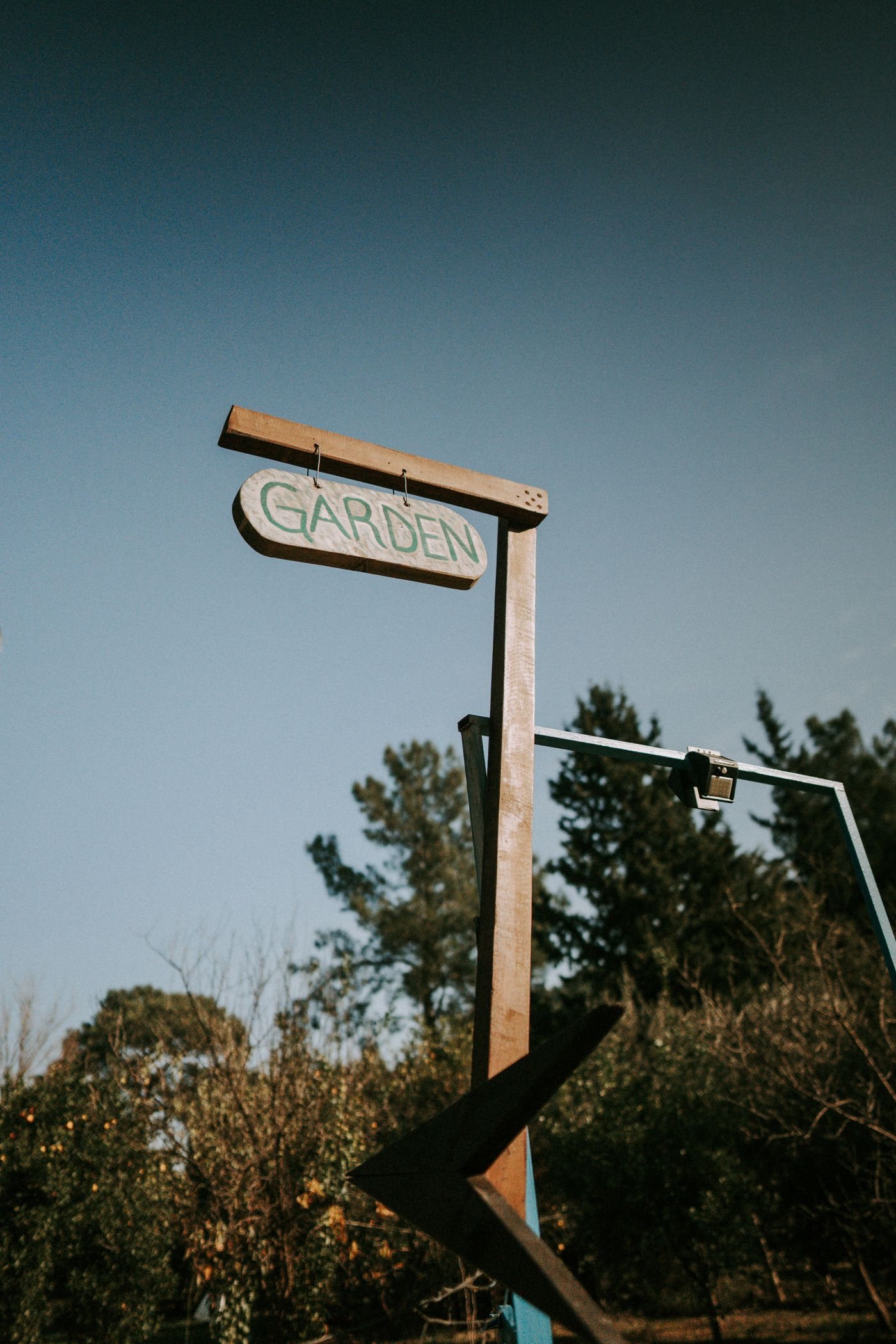
A personalised garden sign can add character to an allotment, a potting corner or a small balcony, but its usefulness depends on where it will live. A sheltered shed wall is different from an exposed fence, and a large plaque can overwhelm a tiny space. Begin with the intended position and the recipient's style of gardening. The wording and material should fit that setting rather than relying on a generic rustic look.
Identify the fixing place
Ask where the sign could be mounted and what fixings are permitted. A tenant may not be able to drill into a wall, and a shared allotment may have its own rules about structures and signs. Measure the available area and consider whether plants will obscure it as they grow. A hanging sign needs room to move without striking glass or a neighbouring object. Avoid making installation a surprise job with missing screws or an unsuitable fixing method. The gift should come with clear mounting information, not an assumption that every fence is the same.
Ask about weather exposure
Read the maker's description of the material, finish and intended outdoor use. Timber, painted surfaces and different metals age in different ways, and the appearance in a product photograph may be new rather than weathered. Ask whether the finish needs maintenance and whether the lettering remains readable as the surface changes. Do not treat a general water-resistant claim as a promise of permanent outdoor durability. If the recipient dislikes maintenance, a smaller sign in a sheltered location may be more suitable than a decorative piece requiring regular refinishing.
Choose wording that belongs to the space
A simple name, an original phrase or the title of a favourite growing corner can feel personal without being sentimental. Check whether it should name one gardener or everyone who uses the space. Avoid putting a full home address or private information on a visible sign. For a small plaque, a short line in a clear typeface will often be easier to read among foliage than elaborate script. Ask for a proof that shows the actual proportions, including any border or illustration, rather than reviewing the text on its own.
Think about the garden in different seasons
A sign visible above bare soil in winter may disappear behind summer plants. Consider contrast against the wall, fence or leaves, and where the viewer will stand. Keep it away from access routes and places where sharp corners or swinging parts could be a nuisance. If the location is not yet settled, present the sign with its mounting instructions and let the gardener choose the final spot. A brief card explaining the phrase can carry the personal story while the sign itself remains a comfortable part of the garden.