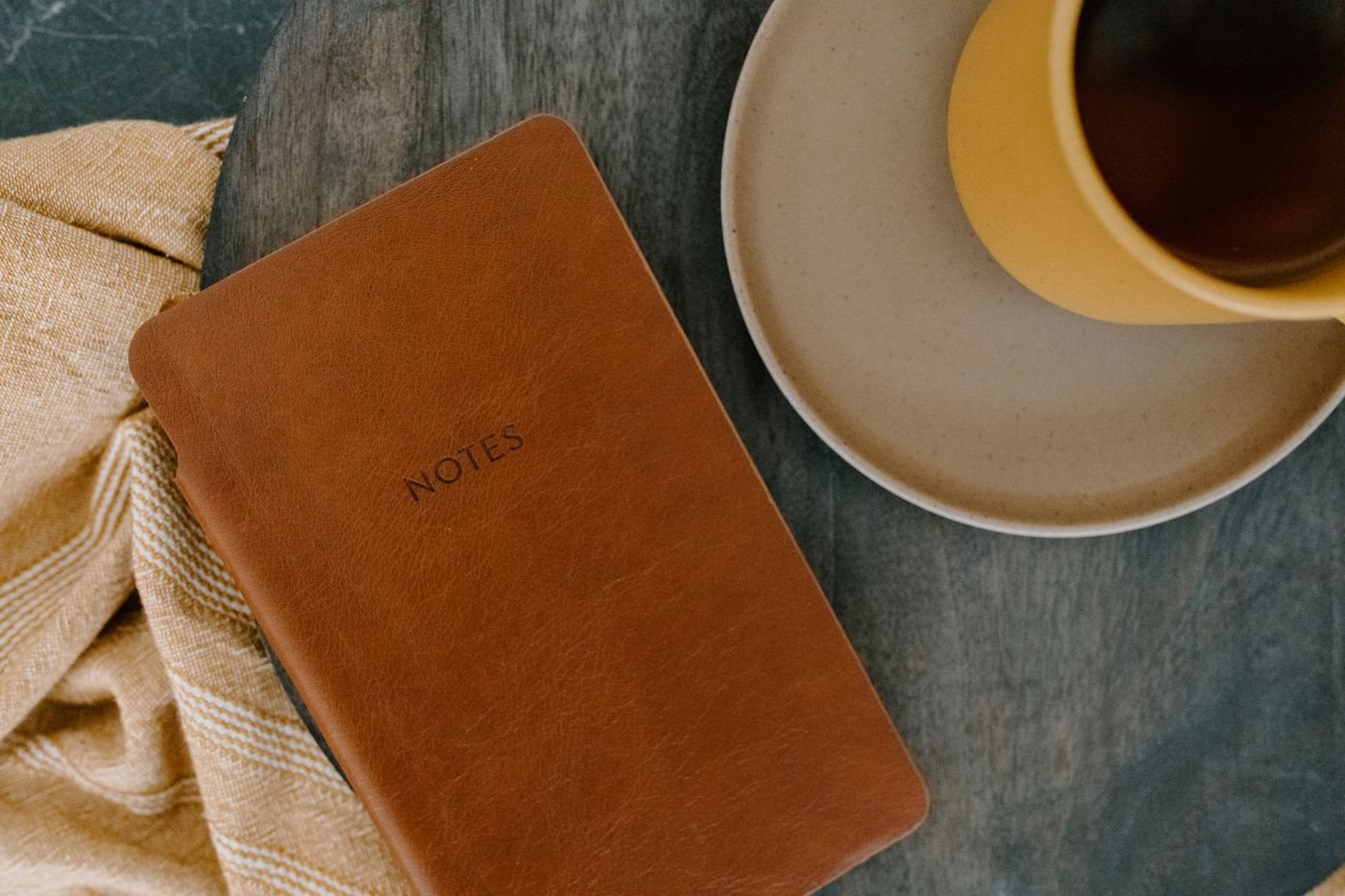
Personalising a recipe book can make a practical collection feel like a family object from the beginning. The cover needs to introduce that collection without pretending it is already complete. A title such as “The Sunday Table” can hold recipes from several people, while a single cook's name suits a more personal notebook. Before choosing the wording, decide whether this is a blank book, a carefully edited collection or a place for future contributions.
Name the collection honestly
Use a title that describes what is inside. “Recipes from Our Kitchen” works for a mixed collection; “Anna's Baking Notes” is more specific and should actually centre Anna's recipes. Avoid calling everything a secret family recipe when some pages are copied from published books or websites. Credit those sources in the entries and respect their usage terms if reproducing substantial material. The cover can remain simple while the contents explain where recipes came from, who adapted them and why they became part of the household's routine.
Make the book usable near a worktop
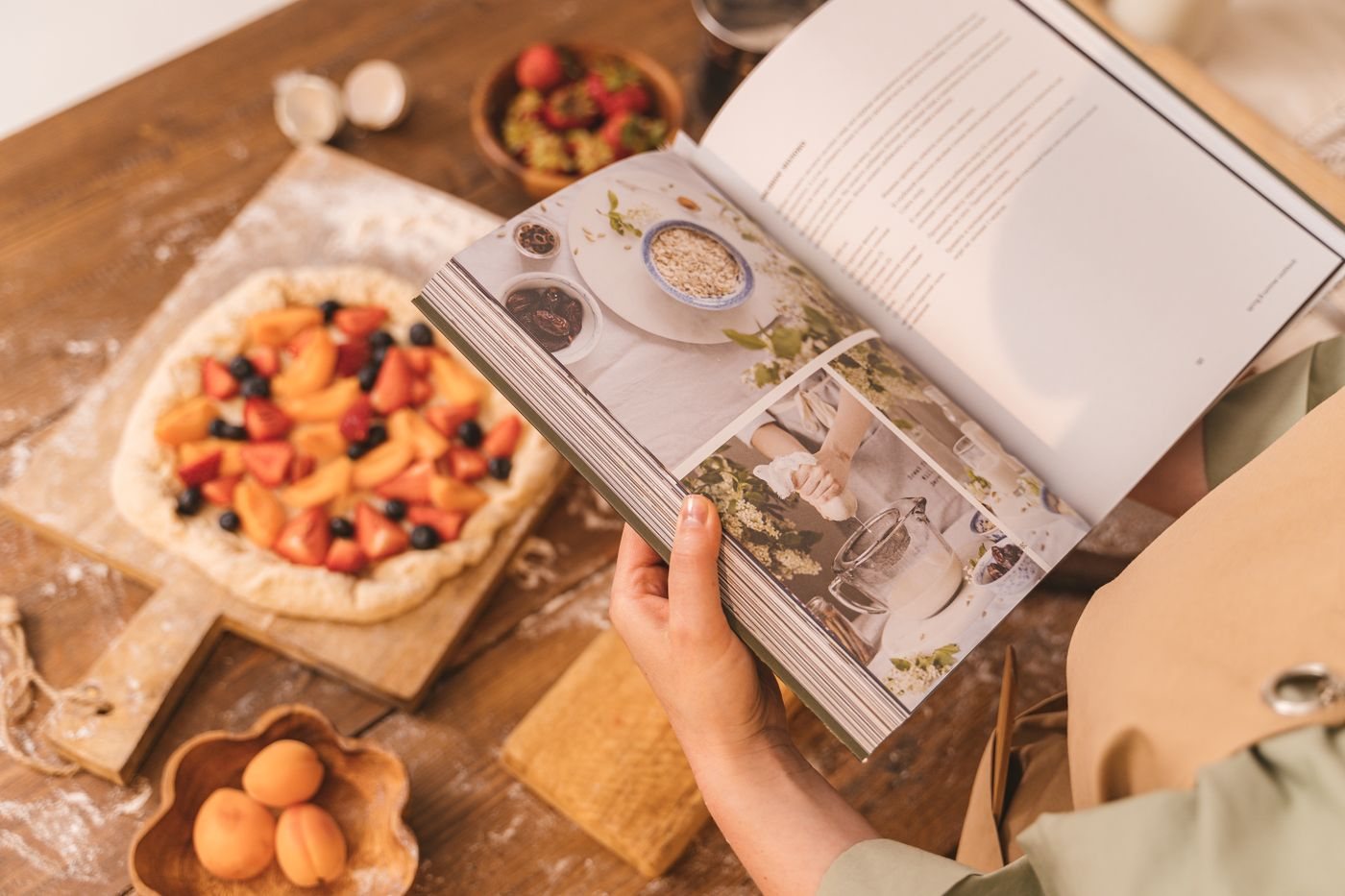
Check whether it opens comfortably and whether the binding tolerates additions. Rings or a refillable system can help when recipes arrive in stages, but they add bulk and need compatible pages. A bound notebook feels cohesive yet asks the owner to live with its fixed order. Consider page size, space for ingredient lists and a surface that can be wiped if the maker permits it. A beautiful fabric cover may be better for a shelf-kept family record than a book routinely handled with floury hands.
Give names and dates a clear role
A date can mean the year the collection began, an anniversary or the occasion on which it was given. Spell that out where ambiguity is possible. “Started in 2026” is different from implying that every recipe originated then. Check accents, apostrophes and preferred family names. If several households contribute, use wording that includes them rather than automatically naming the book after one surname. Ask for a proof with the full title, since a longer name may alter the line breaks and change the balance of the design.
Set up the first pages thoughtfully
Add an opening note explaining the collection's purpose, then leave room for recipes, variations and useful observations. A few completed entries are more inviting than an entirely empty book, provided they are genuinely relevant. Include practical information such as tin size or portions when known, and mark uncertain details instead of inventing them. A pocket for loose notes can be helpful, but keep it from becoming a substitute for readable pages. Place the gift message on a separate card if the recipient may prefer to arrange the book themselves.